
Braces straighten crowded, gapped or bite-misaligned teeth using brackets and wires. Efros Orthodontics provides braces treatment at our Bennington office. We treat children, teens and adults with metal or ceramic braces. Every plan starts with a digital scan instead of putty.
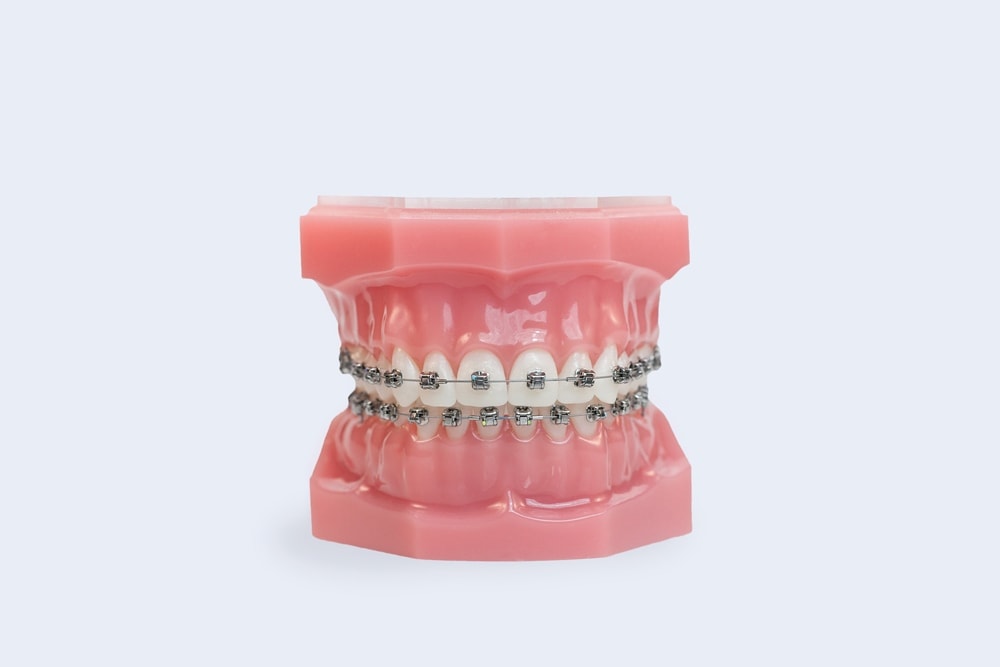
How do braces straighten teeth?
Brackets bonded to each tooth hold an arch wire that applies steady pressure over time. The wire gets adjusted at periodic visits so teeth move gradually into better alignment. Most adjustment appointments take about 20 minutes. They happen every 4 to 6 weeks.
Your first visit, step by step
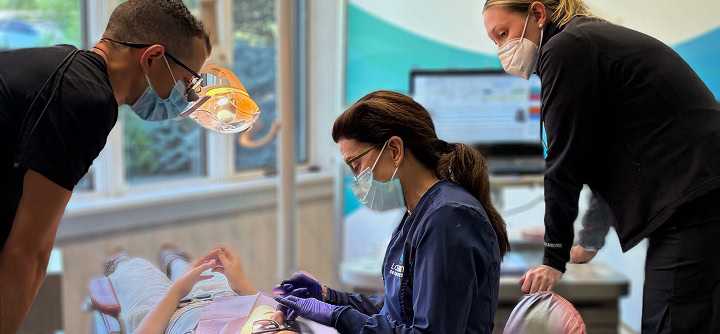
We take digital panoramic and cephalometric X-rays along with an iTero scan. This builds a 3D model of your teeth in minutes. It replaces old-fashioned impression trays and gives us a clear picture before any treatment plan is set. The same scan technology is used later if you ever move to clear aligners instead.
Which type of braces fits your life?
Metal and ceramic braces both correct the same range of issues. They differ in how visible they are day to day. Choosing between them usually comes down to how much the look matters to you.
| Feature | Metal Braces | Ceramic Braces |
|---|---|---|
| Visibility | Noticeable | Tooth-colored, less visible |
| Durability | Very durable | Slightly more delicate |
| Best for | All ages, active lifestyles | Teens and adults wanting discretion |
Both options are covered under our braces program. We can discuss which one suits your schedule and goals.
Who needs braces, and when?
Crowded teeth, gaps, an overbite, underbite or crossbite, and jaw discomfort when chewing are common reasons to seek treatment. The American Association of Orthodontists recommends a first orthodontic check by age 7, well before any treatment actually starts. Catching issues early sometimes means a shorter, simpler plan later.
Care at different ages
Younger children may benefit from early interceptive treatment. Expanders or space maintainers can help guide jaw growth before full braces are needed. Thumb sucking past age 4 is one reason we may recommend an early check. Teens often move into braces or clear aligners once their adult teeth come in. Adults can start treatment at any age. Many adults choose ceramic braces for a more discreet look at work. We cover each stage in more detail on our pages for braces for kids, braces for teens and braces for adults.
Caring for braces day to day
Brushing after meals and flossing with a threader keeps food from collecting around brackets and wires. Sticky candy, popcorn kernels, hard nuts and ice should be avoided. They can bend wires or pop off a bracket. If a bracket does come loose, we handle emergency repairs so a small issue does not stall your progress.
What does it cost, and will insurance help?
Cost depends on the type of braces chosen, how long treatment runs, and what your insurance plan covers. We are in-network with most major insurance plans, and we offer 0% interest payment plans with payments as low as $99 a month in some cases. A free consultation includes X-rays, a digital scan and a walkthrough of your options. You can review full details on our patient resources page before your first visit.
Why come to our Bennington office?
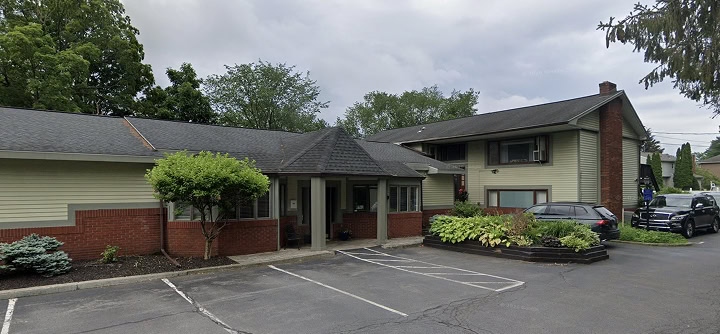
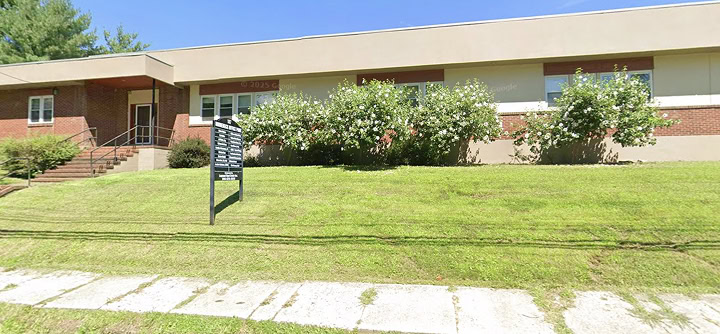
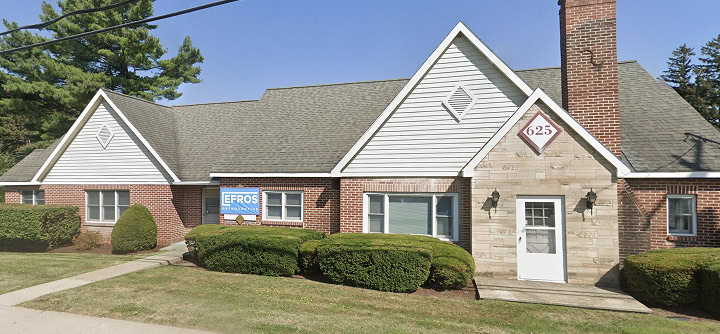
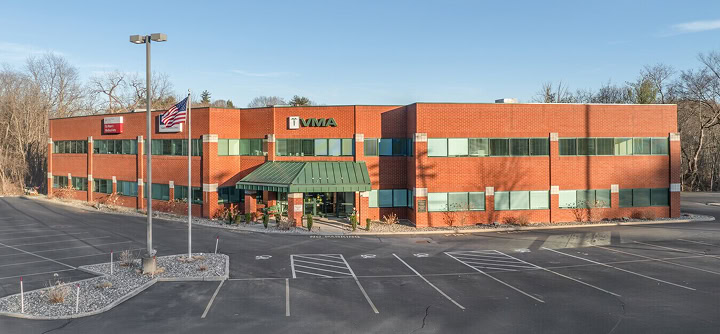
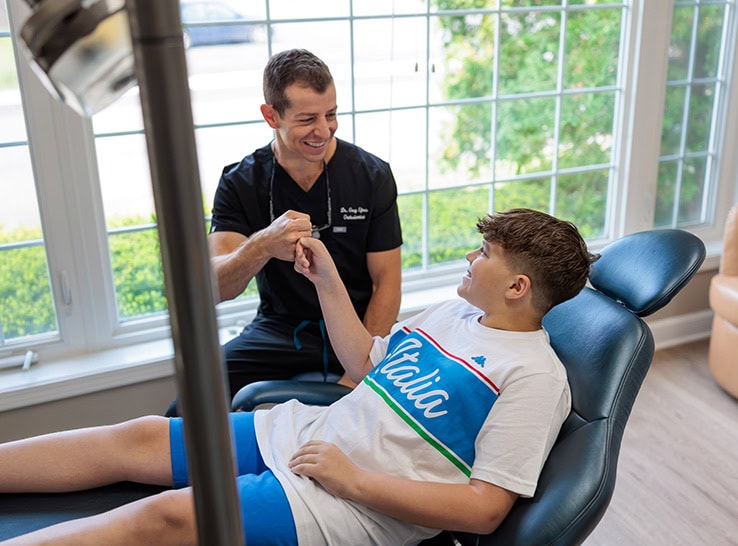
Our doctors at 211 School Street see patients from Shaftsbury, Pownal, Arlington, Hoosick Falls, Williamstown and North Adams. This office serves three states without a long drive. We are open Monday through Thursday from 8:00am to 5:00pm and Friday from 7:30am to 3:00pm.
We run on schedule and explain each step before we do it. You can learn more about hours and directions at our Bennington office page.
You can schedule a free consultation through our free consultation link whenever you are ready.
Braces questions from Bennington patients
What happens during an adjustment visit?
A typical adjustment takes about 20 minutes. It involves checking wire tension and swapping or tightening components as needed. These visits happen every 4 to 6 weeks throughout treatment. Most patients feel mild pressure for a day or two afterward.
Can braces be paired with aligners later?
Braces and clear aligners are usually separate paths rather than combined treatments. Our doctors will tell you which one fits your case at your free consultation.
Will braces affect speech at first?
A slight lisp or change in speech is common for the first week or two. This happens as you adjust to brackets and wires. It typically resolves on its own once your tongue adapts. It is not a sign anything is wrong with the treatment.
What if a bracket breaks between visits?
Call the office and we will get you in for an emergency bracket repair. A loose bracket can stall tooth movement if left alone. Covering any sharp edge with orthodontic wax can help in the meantime. Getting it fixed promptly keeps treatment on track.