
Invisalign uses a series of clear, removable aligners to straighten a teen’s teeth without metal brackets or wires. Efros Orthodontics provides this treatment at our Latham office for teens who want straighter teeth without changing how they look at school, in sports or on stage. Treatment is built around a digital scan, not messy impressions. If braces feel like the wrong fit for a teen’s schedule or self-image, clear aligners are worth discussing at a consultation.
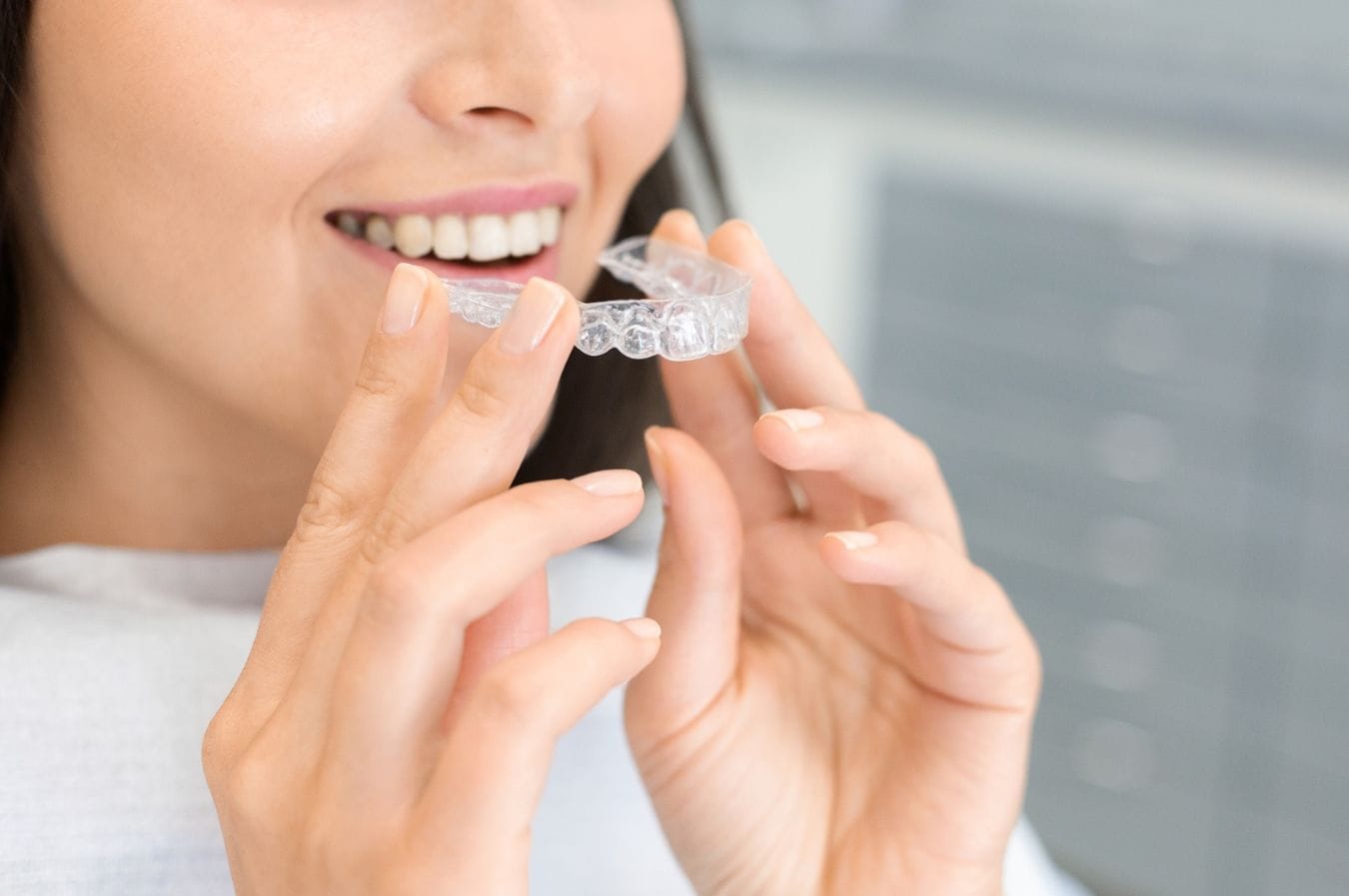
How Invisalign differs from braces
Invisalign relies on a series of clear plastic trays instead of brackets and wires. Each set shifts teeth gradually. A teen moves to the next tray roughly every one to two weeks as the orthodontist directs. There’s nothing to tighten at appointments, which means shorter, simpler visits.
How the trays are made
Every plan starts with an iTero digital scan rather than putty impressions. A handheld wand builds a 3D model of the teeth in minutes. That same digital model is used to manufacture each aligner. We also take digital panoramic and cephalometric X-rays so the plan accounts for roots and jaw growth, not just visible teeth. More on the equipment is on our technology page.
What daily wear looks like
Aligners need to stay in 20 to 22 hours a day to keep treatment on schedule. They come out for meals, brushing and flossing, which many teens find easier than cleaning around brackets. Progress checks happen about every 6 to 8 weeks, and unlike braces for teens, there is no wire to adjust at these visits.
Is a teen a good aligner candidate?
Most teens who can commit to wearing trays consistently do well with Invisalign. Mild to moderate crowding, spacing and bite issues respond well to clear aligners. More complex bite problems sometimes still call for braces. We evaluate this case by case during a consultation.
The American Association of Orthodontists recommends a first orthodontic check by age 7. By the teen years, permanent teeth are usually in. This makes it easier to map a full course of aligner treatment with accurate digital imaging.
Invisalign for teens versus braces
Both options can correct similar problems, but they fit different routines. The table below outlines the main differences we discuss at consultations.
| Factor | Invisalign for Teens | Traditional Braces |
|---|---|---|
| Visibility | Nearly invisible trays | Visible metal or ceramic brackets |
| Removable | Yes, for meals and cleaning | No, fixed in place |
| Typical timeline | 12 to 18 months for many cases | 12 to 30 months depending on the bite |
| Food restrictions | None while trays are out | Avoid sticky candy, popcorn kernels, hard nuts and ice |
| Visit frequency | Checks every 6 to 8 weeks | Adjustments about every 4 to 6 weeks, roughly 20 minutes |
Families weighing both paths can also review our general Invisalign page or compare notes with adults considering Invisalign for adults in the same household.
What treatment looks like at our office
Treatment starts with the digital scan and X-rays, then moves into a custom sequence of trays mapped out in advance. A teen wears each tray for about one to two weeks before switching. Check-ins happen every 6 to 8 weeks so we can track movement and hand over the next sets. Once the active phase ends, we provide a retainer to hold the result.
Keeping treatment on track
Consistency matters more with aligners than with braces, since trays can be removed. We talk with teens directly about wear time and answer questions about sports, instruments or social events. If a tray is lost or cracked, our office can usually get a replacement ordered quickly.
Why choose our Latham office for teens
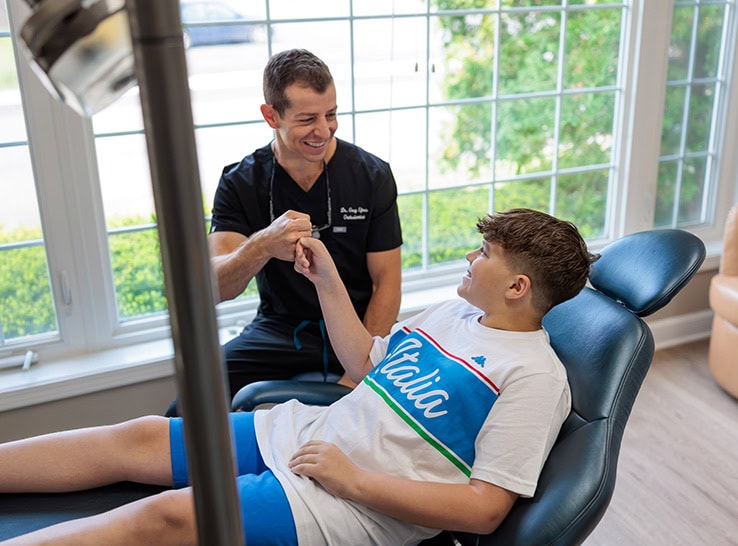
Dr. Robin Lozman has practiced orthodontics in Latham since 1997. She earned her DMD at the University of Pennsylvania. She also earned a Master’s in Education there. Dr. Lozman then completed a two-year orthodontic residency at the Eastman Dental Center, University of Rochester. There she treated children, adults, cleft palate patients and surgical orthodontic cases. Lozman Orthodontics is now part of Efros Orthodontics, and patients who were already being seen in Latham keep the same team and the same location. You can read more on her bio page.
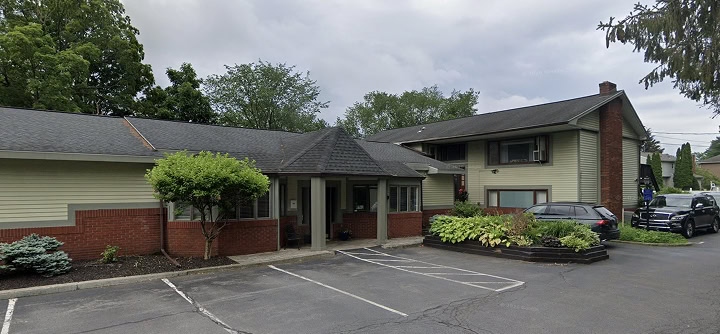
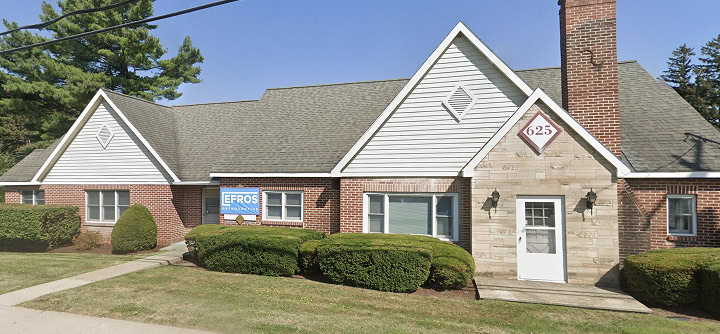
Dr. Greg Efros is a Diamond Invisalign provider, placing him in the top 1% of Invisalign providers nationally. Our Latham office sits at 17 Johnson Road, Latham, NY 12110, just off Route 9, with parking directly at the door. We see families from Loudonville, Cohoes, Watervliet, Waterford, Clifton Park and Halfmoon, along with North Colonie and Shaker school students. Hours are Monday to Thursday 8:00am to 5:00pm and Friday 7:30am to 3:00pm.
A free consultation includes X-rays, a digital scan and a review of treatment options. Our office is in-network with most major insurance plans and offers 0% interest payment plans with payments as low as $99 a month in some cases.
Invisalign for Teens questions from Latham patients
Can a teen eat normally with aligners?
Yes, because trays come out for meals there are no food restrictions like there are with braces. A teen can eat popcorn, nuts or sticky snacks as long as they brush before putting the trays back in.
Does Invisalign work for sports or band instruments?
Yes, aligners are removed for contact sports and for playing wind instruments, so neither activity has to pause for treatment. Many teens keep a case on hand so trays aren’t misplaced during practice or games.
How often does a teen need to be seen?
Checks are scheduled about every 6 to 8 weeks to monitor progress and hand over new sets of aligners. There is no wire work at these visits.
What if a tray cracks or goes missing?
We recommend keeping the previous tray as a backup if a current one is lost or damaged. Our office can typically arrange a replacement so treatment doesn’t fall behind schedule.